


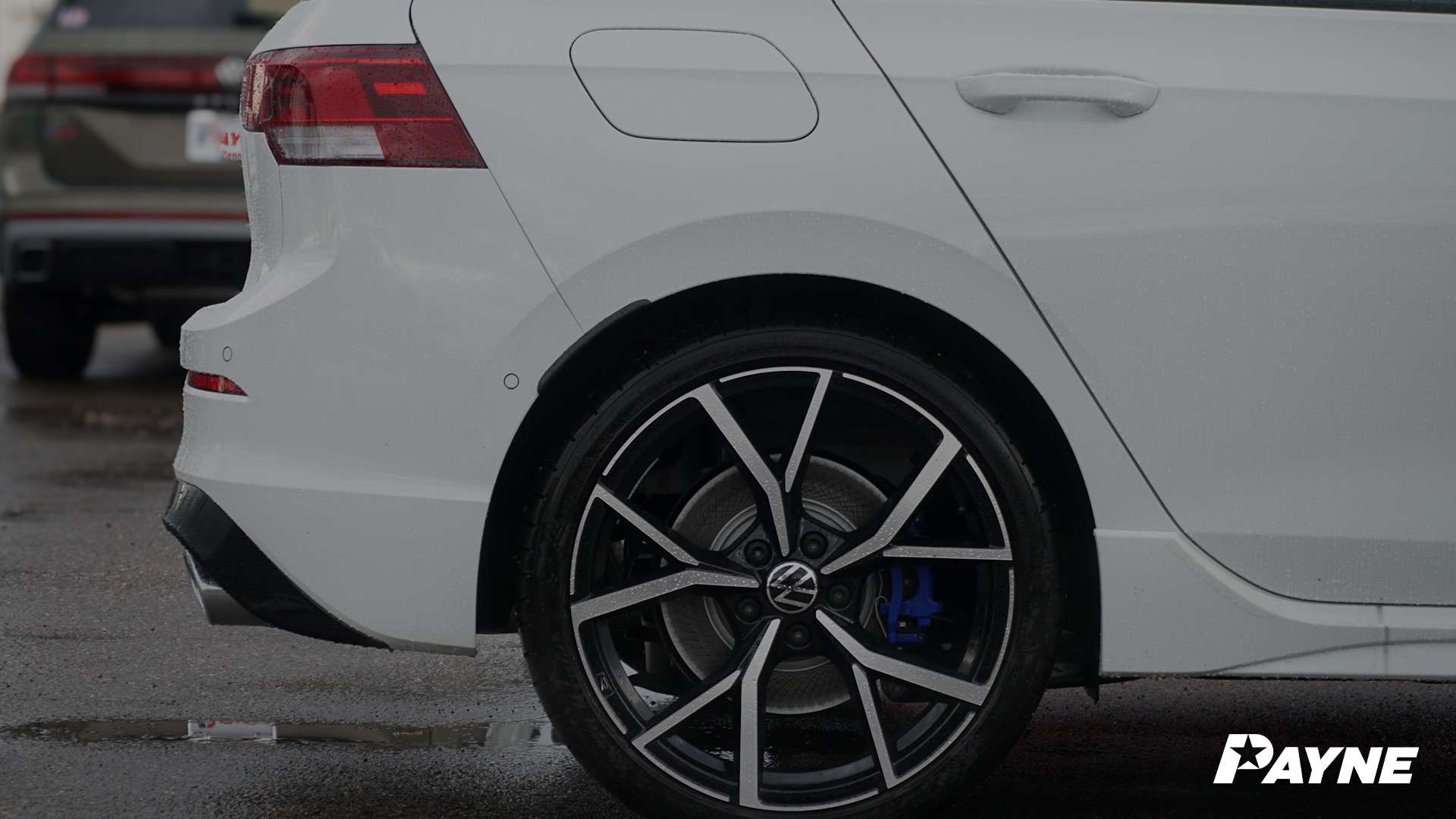
As the season for road trips approaches, ensuring the safety and readiness of your vehicle is paramount. Among the crucial checks is the often-overlooked tire rotation, a simple yet effective maintenance step that can significantly enhance your driving experience and safety on long journeys. Here’s why tire rotations are essential before hitting the road.
Ensuring Even Tire Wear
The primary reason for rotating tires is to achieve even wear across all four tires. Each tire on a vehicle wears differently based on its position. Front tires, for instance, tend to wear faster than rear ones because they handle the majority of the steering and braking forces. By rotating the tires, you distribute these forces more evenly across all four, extending their life and performance.
Improving Vehicle Handling and Safety
Even tire wear is crucial for maintaining good handling and stability. Unevenly worn tires can lead to a variety of problems, including poor handling, increased stopping distances, and a higher risk of blowouts. Before embarking on a long journey, ensuring that your tires are worn evenly will help maintain optimal handling and safety, making your trip not only more enjoyable but also safer.
Enhancing Fuel Efficiency
Tires with uneven wear can also affect your vehicle’s fuel efficiency. When tires are not rotated, they can develop wear patterns that increase rolling resistance. This means your vehicle has to work harder to move forward, leading to increased fuel consumption. Rotating your tires can help maintain their optimal shape and tread pattern, reducing rolling resistance and improving fuel efficiency.
How Often Should You Rotate Your Tires?
The general recommendation is to rotate your tires every 5,000 to 8,000 miles, but it’s always best to consult your vehicle’s owner’s manual for specific guidance. Some modern vehicles with tire pressure monitoring systems or all-wheel drive may have different requirements for tire rotation.
Pre-Road Trip Tire Check
In addition to rotating your tires, a pre-road trip check should include:
- Inspecting tire tread depth to ensure it’s above the legal minimum and checking for signs of uneven wear or damage.
- Checking tire pressure and adjusting it according to the vehicle manufacturer’s recommendations. Remember, tire pressure can affect vehicle handling, fuel efficiency, and tire longevity.
- Ensuring your spare tire is in good condition and that you have the necessary tools and knowledge to change a tire if needed.
Conclusion
Taking the time to rotate your tires before a road trip is a small investment that can pay off in a big way. Not only does it contribute to safer, more efficient driving, but it also extends the life of your tires, saving you money in the long run. So before you set off on your next adventure, make sure your tires are road-trip ready. Safe travels!


